



Touch a Truck 2024 Tickets are Now on Sale
Join us on April 20 at Balestrieri Family Farms in Briones, CA. Tickets are on sale now!
Advancing women’s leadership for meaningful community impact through volunteer action, collaboration, and training.

Touch a Truck will be held on April 20, 2024 at Balestrieri Family Farms in Briones, CA. Tickets are on sale now!
Join us on April 20 at Balestrieri Family Farms in Briones, CA. Tickets are on sale now!
Junior League of Oakland-East Bay’s 2024 Community Enrichment Grant Application is LIVE! The Junior League of Oakland-East Bay’s Community Enrichment Fund (CEF) helps to support the critical work of nonprofit and community agencies in Alameda and Contra Costa Counties. Applications close March 1.
Dear JLOEB Community, Looks like we made it! THANK YOU to our members and our community for helping to make our #GivingTuesday fundraising campaign a huge success! Through the efforts of our 340+ members, their friends and family we were able to exceed our goal of $5,000. This money will go a long way to… Read More
Local lawmaking impacts people at the lowest level: our day to day quality of life. Things can get changed on a local level when bills get passed by the State Senate or Assembly. A bill headed through the California legal system gets written into law, interpreted in courts, executed by state residents or businesses, enforced… Read More
Sorry, but there are no upcoming events at this time. Check again soon.
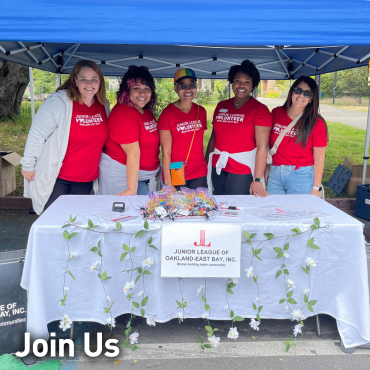
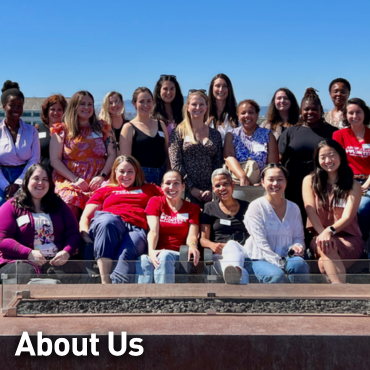
We are Women Building Better Communities by supporting organizations that focus on women and children.

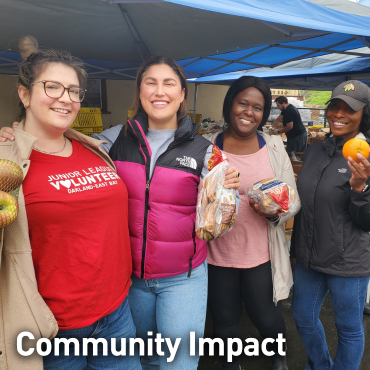
Community Enrichment Fund grants provide funding to agencies in Alameda and Contra Costa counties where financial support is more beneficial to the organization than pure volunteer efforts.
State Public Affairs Committee (SPAC) is a non-partisan organization that is comprised of 17 Junior Leagues that represent over 7,000 voting women.
By continuing to use the site, you agree to the use of cookies. more information
The cookie settings on this website are set to "allow cookies" to give you the best browsing experience possible. If you continue to use this website without changing your cookie settings or you click "Accept" below then you are consenting to this.